Energy
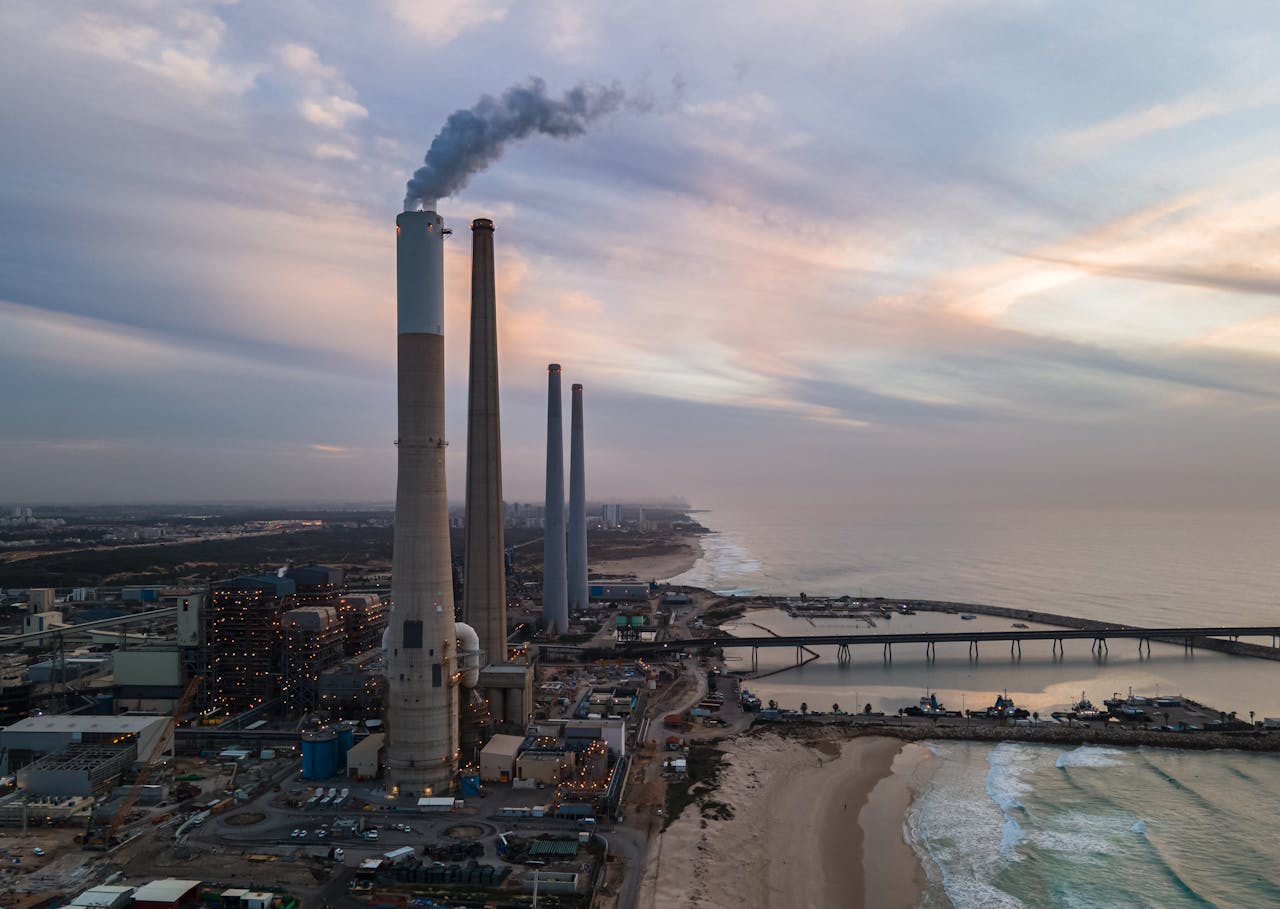
The Energy Sector in 2026: More Power, More Problems
By Seun SulemanMay 16, 2026
The world is using more electricity than ever. And the infrastructure built to deliver it? It's struggling to keep up.
U.S. electricity demand climbed 2% year-on-year in 2025 and rose 8% over the past decade. That might sound modest, but it follows more than a decade of nearly flat demand. Something shifted. Data centers are the biggest reason. Their electricity consumption has quintupled in the last ten years and grown 150% in just the last five. AI isn't just changing how we work. It's changing how much power we need to do it.
To meet this surge, the U.S. built 54 GW of new utility-scale generation and storage capacity in 2025. That's the most in over two decades. Natural gas capacity additions alone doubled year-on-year. And capital deployed toward grid expansion and reinforcement hit a record $115 billion. The money is flowing, but so is the demand.
The "All of the Above" Approach
There's no single answer to the energy question right now, and most of the industry has stopped pretending there is. Oil, natural gas, renewables, nuclear, geothermal. Everything is on the table. Global solar and wind capacity is expected to reach 4,000 GW in 2026, overtaking the combined operating capacity of coal and gas-fired power plants for the first time. That's a milestone worth noting (even though actual output is lower due to capacity factors).
Nuclear is getting interesting again too. Small modular reactor projects are expected to move toward construction this year. Big tech companies and utility providers are increasingly working together on the data center problem, exploring everything from dedicated renewable installations to next-generation nuclear to keep the lights on at server farms.
The Price Tag
All of this costs money, and consumers are feeling it. Electricity prices are climbing as utilities invest in grid modernization and try to balance supply with rapidly growing demand. Total consumer spending on energy as a share of personal expenditures sits at 3.66%. The combined share of electricity and natural gas costs rose to 1.62% of household spending, up from 1.60% the year before. Small numbers in percentage terms, but they add up on a monthly bill.
Utility arrearages across the sector are estimated at roughly $23 billion. People are falling behind on payments, stretching out repayment plans, and dealing with the economic uncertainty that makes a rising electricity bill feel heavier than the numbers suggest.
What's Actually Changed
Global energy intensity improved by nearly 2% in 2025, bouncing back to its long-term average after a sluggish post-COVID period. China played a big role here. The country's energy intensity improvement jumped back above 3% after years of hovering around 0.6%. Strip China out, and the global trend looks more stable than the headlines suggest.
The companies that are positioned well for 2026 are the ones that spent 2025 investing in storage, digitizing grid operations, and accepting a simple truth: flexibility and intelligence matter more than raw generation capacity now. Building more power plants helps, but knowing when and where to route that power is becoming just as important.
The energy sector isn't facing one big problem. It's facing a dozen interconnected ones. More demand from AI and electrification, aging infrastructure, rising consumer costs, and a transition to cleaner sources that's happening faster in some areas and slower in others. The companies and countries that figure out how to balance all of these at once will define the next decade of energy. The ones that don't will be playing catch-up.